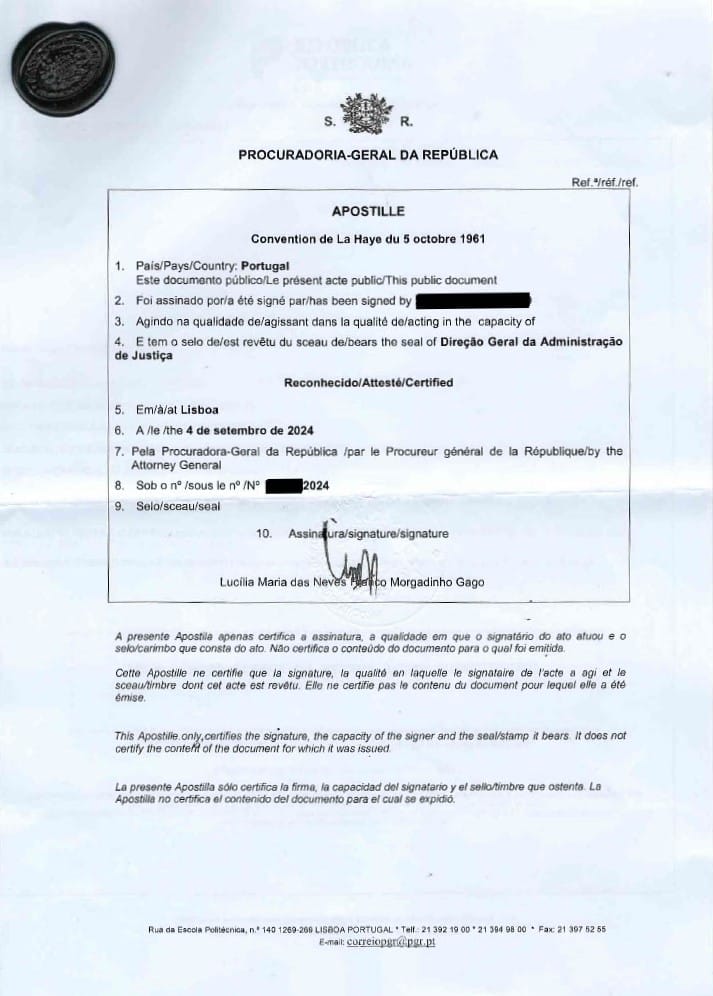
Understanding Portuguese Divorce Agreements
When addressing the translation of Portuguese divorce agreements, several critical factors need to be considered to ensure accuracy and compliance with both legal and cultural nuances. Portuguese, spoken in Portugal and Brazil — among other regions — presents unique challenges due to linguistic variations and legal distinctions. Mastery over these intricacies is essential for translators working in this field.
Linguistic Variations and Challenges
Portuguese, similar to other widely spoken languages, has regional variations that can significantly impact the translation of legal documents. European Portuguese and Brazilian Portuguese, while mutually intelligible, exhibit differences in vocabulary, idioms, and legal terminology. Translators must be mindful of:
-
Terminology Differences: Key legal terms can vary, and a word that may be appropriate in Brazilian Portuguese could carry different implications in the context of European Portuguese. For instance, the term “cônjuge” refers to a spouse in both versions but might be used differently in legal texts.
-
Formal vs. Informal Language: Legal documents require formal language, which necessitates a thorough understanding of the locales’ specific formalities in Portuguese.
-
Cultural Context and Nuances: Cultural differences can affect the way divorce proceedings and agreements are understood and implemented, so it’s crucial to translate with a comprehensive understanding of cultural context.
Legal Considerations
Translators must possess a comprehensive understanding of the legal systems in both the source and target languages to ensure that legal concepts are accurately conveyed. Important aspects include:
-
Jurisdictional Differences: The Portuguese legal system is based on civil law traditions, which may differ from the common law systems familiar to translators from English-speaking countries. Understanding these differences is crucial for maintaining the agreement’s integrity.
-
Legal Terminology and Precedents: Legal documents often refer to specific statutes or legal precedents that require accurate translation. This may involve extensive research into both the source and target legal systems to ensure correct interpretation.
-
Confidentiality and Ethics: Handling sensitive information ethically is crucial in legal translation. Translators must adhere to strict confidentiality guidelines to protect client privacy.
Key Clauses in Portuguese Divorce Agreements
Several clauses typically feature in Portuguese divorce agreements, requiring careful translation to maintain their legal standing.
-
Asset Division: This clause involves understanding financial and property terms, including division methodologies, which may vary by jurisdiction.
-
Custody Arrangements: Translating clauses related to child custody requires precision since any ambiguity can lead to legal challenges or misinterpretations.
-
Spousal Support: Different jurisdictions may have varied approaches to alimony, requiring an understanding of local norms and legal requirements.
-
Conflict Resolution: Many agreements include clauses about how future disputes should be handled, such as arbitration or court proceedings, which must be accurately rendered.
Tools and Resources for Accurate Translation
Translators can leverage various tools and resources to ensure their translations are precise and culturally appropriate.
-
Translation Software: Utilizing professional translation software with a focus on legal documents can streamline the translation process and help maintain consistency.
-
Legal Dictionaries: These specialized dictionaries are invaluable for ensuring that legal terminologies are accurately translated and comprehended.
-
Peer Review and Collaboration: Engaging with colleagues or legal professionals for peer reviews can eliminate potential errors and improve translation quality.
-
Continual Learning: Legal language and cultural nuances are continually evolving. Translators must stay informed about changes in both the linguistic and legal landscapes.
Quality Assurance in Translation
Ensuring the quality of a translated legal document requires meticulous proofreading and a multi-layered quality assurance process, including:
-
Bilingual Review: Conduct a thorough review by another bilingual expert to identify and rectify errors or ambiguities.
-
Back Translation: This process involves translating the document back into the source language to check for content consistency and accuracy.
-
Expert Consultation: Engaging legal experts can confirm that translated documents meet all necessary legal standards and equivalencies.
Conclusion
Translating Portuguese divorce agreements require exceptional attention to detail and rigor, given the intricate blend of legal and cultural nuances. By understanding these complexities and utilizing specialized tools and processes, translators can effectively meet the challenges posed by such translations, ensuring that the translated documents serve their intended legal and personal purposes without losing their original integrity. This diligence not only protects client interests but also upholds the legal profession’s standards in a globalized context.